


Finding the Balance Between Slow Fashion, Fast Fashion, and Sustainable Fashion
The choices we make in our wardrobes are a reflection of our personalities, values, and even our worldviews. Being an environmentalist, I always looked for options that are fashionable yet do not add to pollution. Reviving one outfit repeatedly to create multiple styles or investing in homegrown timeless pieces that are not easily disposable made sustainable fashion more meaningful. However, fast fashion trends can sometimes be really tempting and budget-friendly to follow. The debate around slow fashion vs fast fashion is mind-boggling. So, let’s embark on this journey of discovery as we explore slow fashion vs fast fashion from a sustainable fashion enthusiast’s point of view.

Understanding Slow Fashion
Slow fashion is more than a trend; it’s a sustainable fashion movement. It’s all about embracing a mindful and sustainable fashion approach to clothing. When I started diving into this realm, I was captivated by its core principles.

Royal Maharani Saree look
Quality Over Quantity
Slow fashion is all about investing in high-quality pieces that are designed to last. Like this beautiful handwoven cotton saree that excels both in terms of style and durability. It’s an investment that keeps on giving. The fact that it can be worn multiple times over again and can be part of multiple generations shows how quality trumps quantity in sustainable fashion.

Ethical production
Ethical and Sustainable Fashion Production
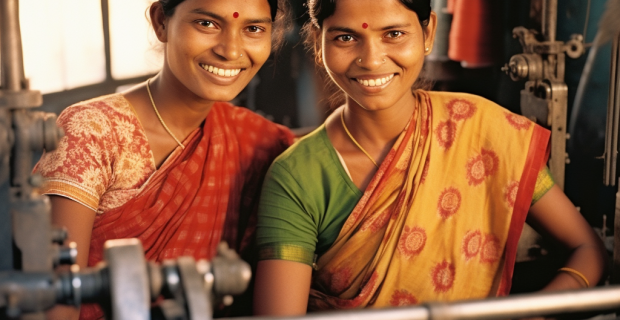
Slow fashion brands prioritize ethical fashion, ethical working conditions, and environmentally friendly practices across the supply chain. Knowing that the artisans and workers behind your clothing are treated fairly, that garment factories follow fair production standards, and that the production process supports sustainable fashion adds depth and meaning to every piece you wear. This approach also encourages more transparency across fashion supply chains, helping buyers make sustainable fashion choices and choose clothes they will wear repeatedly.

Timeless designs
Timeless Designs
Slow fashion doesn’t chase fleeting trends. Instead, it focuses on timeless designs that have enduring appeal. Think classic silhouettes and versatile pieces that can adapt to various occasions and seasons. Slow fashion brands prioritize ethical working conditions, fair production, fair wages, and safe workplaces while using more responsible fabric choices, including sustainable fabrics, natural fibers, and alternatives to conventional cotton, to create sustainable clothing through sustainable fashion practices. Slow fashion also usually depends on a shorter, more transparent supply chain within wider fashion supply chains, often working closely with local garment factories and workers as partners. Many sustainable fashion brandsin India have adopted this route of creating unique timeless designs using organically sourced fabrics. This production process aligns with ethical fashion, circular fashion, conscious fashion, and sustainable fashion values.
Discovering Fast Fashion
Fast fashion, on the other hand, is the heartbeat of the high street and a business model built around rapid clothing production. It’s about quick turnarounds, cheap prices, and ever-changing trends, with many fast fashion brands and other clothing companies selling garments in large quantities to meet constant demand. As someone who has spent countless hours perusing fast fashion stores, I couldn’t help but notice its allure within the wider fast fashion industry. The comparison of slow fashion vs fast fashion becomes more relevant as consumers move toward sustainable fashion.

Affordability
Fast fashion is known for its pocket-friendly prices. It is a business model used by many fast fashion companies and clothing companies to offer trend-driven styles at very low prices, making it easy for consumers to experiment without burning a hole in their wallets. The fast fashion industry depends on rapid clothing production in large quantities to keep prices low. But the true cost often includes hidden environmental damage and social impact that conflict with sustainable fashion values.
Trendy and Ever-Changing

Deepika doing the NormCore
Fast fashion is all about keeping up with the latest trends. It brings fresh styles from the runway to your closet in a matter of weeks. While low prices appeal to consumers, they often hide the true cost of brands racing to produce new collections at scale. This speed also fuels a throwaway culture, where clothes are bought for the moment and discarded just as quickly. It’s like having a never-ending fashion show at your fingertips, making the slow fashion vs fast fashion debate even more significant in sustainable fashion discussions.
Instant Gratification and Throwaway Culture
In the fast fashion world, you don’t have to wait. You see it, you like it, you buy it, and you wear it. It’s fashion on demand, unlike sustainable fashion which focuses on mindful and long-lasting choices.
Comparing the Two Worlds
Now, let’s dive into the nitty-gritty comparison of slow fashion vs fast fashion and understand how sustainable fashion fits into both worlds.
Environmental Impact of slow fashion vs fast fashion
Slow fashion champions sustainable fashion, emphasizing materials, processes, and a commitment to reducing waste. Fast fashion, with its rapid turnover of cheap clothing, often comes at the cost of environmental damage due to excess production and disposal. This environmental impact is one of the biggest concerns in the slow fashion vs fast fashion conversation.

Environmental impact of leather industry
Individuality
Slow fashion promotes unique, timeless pieces, allowing you to create a signature style while reducing the wider environmental damage linked to overproduction, waste, and climate change. Fast fashion, while fun and accessible, can lead to a sea of similar outfits, as everyone rushes to embrace the latest trends. The fashion industry is one of the largest polluters globally, responsible for 20% of industrial water pollution, which makes sustainable fashion and ethical production choices more urgent. Synthetic materials add further pressure because textile fiber production uses oil, and many mass-produced apparel items rely heavily on these inputs. Only around 20% of clothing is recycled or reused, while millions of tonnes still end up in landfill, which shows why better recycling systems matter. This is one reason many shoppers are choosing sustainable fashion and slow fashion, while circular economy and circular fashion models aim to give garments new life through recycling and recycled materials.
Ethics
Slow fashion has a strong ethical backbone, prioritizing fair wages and safe working conditions. In contrast, fast fashion has faced criticism for sweatshop labor, labor exploitation, low wages, unsafe working conditions, and factories where workers often work long hours under pressure. Choosing sustainable fashion also supports individuality by helping you build a more personal, long-lasting style. This ethical contrast is central to slow fashion vs fast fashion.
Cost
Slow fashion often requires a larger upfront investment, but it can save you money in the long run due to the longevity of the pieces. Fast fashion’s low prices may seem attractive, but they are often tied to labor exploitation rather than just lower production costs. Many brands outsource production to countries with lower labor costs, where workers may face unsafe working conditions and long hours. Claims of affordability or sustainability can also be a marketing ploy, so it helps to look beyond the price tag and research how garments are actually made before supporting sustainable fashion brands.
Emotional Connection
Slow fashion pieces often hold sentimental value and stories behind them, fostering a deeper connection to your wardrobe. In the fast fashion world, clothes can sometimes feel disposable and fleeting. This is also why reuse matters, since secondhand clothing can extend a garment’s life instead of pushing it quickly toward waste. Sustainable fashion encourages consumers to value clothing emotionally instead of treating it as disposable. The emotional value of clothing is another key point in slow fashion vs fast fashion.
My Takeaway On Sustainable Fashion
In my journey through the realm of slow fashion vs fast fashion, both have their own offerings. There’s a time and place for each of them in my life. However, making conscious choices and using fast fashion clothes for longer by restyling them repeatedly and striking the right balance between sustainability and style is where sustainable fashion truly matters. Slow fashion satisfies my desire for quality, sustainable fashion, and timeless pieces, while fast fashion satisfies my craving for trendy, affordable styles.
The real magic happens when we find a balance between the two. Slow fashion encourages us to be more mindful in our choices, and fast fashion lets us experiment, adapt, and stay in tune with the ever-evolving world of style. Brands working with local artisans to create beautiful clothing using eco-friendly materials prove that sustainable fashion can also be stylish and innovative. Keeping, repairing, or passing on pieces as secondhand clothing can extend their life and make them feel less disposable. Choosing sustainable fashion brands also makes it easier to support better materials and slower production.
Whether you lean towards sustainable fashion, slow fashion, fast fashion, or a blend of both, remember that your wardrobe is a canvas to paint your story and reflect your values. So, embrace it, enjoy it, and make sustainable fashion a reflection of you!


