


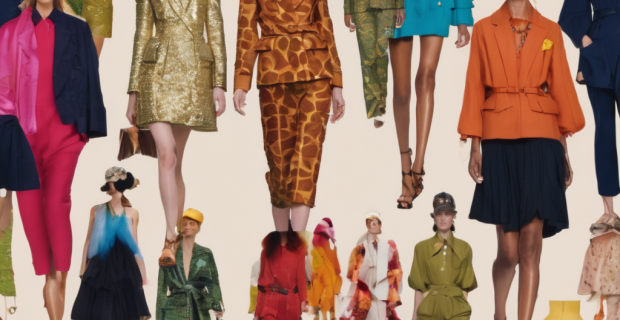

Hey there, fashion-forward friends! Ever wondered how we went from thrifty threads to eco-chic styles? Get ready for a time-traveling adventure through the history of sustainable fashion. We’ll be cruising through the most stylish decades, starting in the 1930s and riding all the way to the far-out 2020s, to uncover how sustainability became the undisputed rockstar of the runway!

Upcycled and Thrifty Fashion – Keeping It Real!
Travel back to the 1930s and 1940s, when folks in India were acing the upcycled and thrifty fashion game like pros.
Take, for instance, the iconic Indian woman during this time. She wasn’t just a Homefront hero; she was a fashion trendsetter too. When resources were scarce, they transformed sarees and handwoven textiles like Banarasi silk, Kanchipuram silk, and Chanderi cotton into chic dresses and dhotis into smart trousers. In many Indian households, heirloom jewelry pieces were passed down through generations. Embroidery and embellishments have been central to Indian fashion. Traditional Indian footwear like juttis and kolhapuris were handcrafted using locally available materials. People appreciated the durability and comfort of these shoes, which often lasted for years, promoting a culture of repair rather than replacement. In India, cherished bridal attire was often passed down through generations, showcasing the rich history of sustainable fashion practices and craftsmanship. Every stitch told a story of resilience and creativity in the 30’s and 40’s. It’s the original sustainable fashion movement, Indian style!
The Rise of Eco-Awareness – Groovy and Green
Fast forward to the 1960s and 1970s, the era of eco-awareness. Everyone was in full swing, and they said no to synthetic fabrics, embracing sustainable fashion practices like using natural fibers, and handmade clothing. It was all about getting back to Mother Nature.
Tie-dye shirts, hemp threads, and organic cotton became the go-to look for promoting sustainable fashion.
Ethical Epoch: ’80s and ’90s Fashion with a Conscience
The ’80s and ’90s were a turning point for sustainable fashion, where ethics and style finally joined forces.
Picture this: You’ve got the iconic power suits, neon leg warmers, and scrunchy socks – it was an era of bold style. But amidst the fashion chaos, a powerful movement was stirring. People were saying, “Hey, fashion industry, we want fairness, and we want to know where our clothes are coming from!”
Brands like Patagonia were working their magic on everyone. They introduced “Worn Wear,” a total game-changer. One could shop for pre-loved gear and then Patagonia would work its magic by breathing new life into your old favorites with their clever repair services. It’s fashion that’s kind to both your wallet and the planet.
You’ve just entered the Era of Fast Fashion – Zoom Zoom, But Not So Green
Somewhere in the 2000’s Fast fashion emerged its head in the Industry. Brands like Zara and H&M were like fashion Formula 1 cars, churning out clothes at lightning speed. It was a race against time to meet the insatiable demand for new styles. But hold your fashion horses; there’s a catch.
This lightning-fast fashion came at a cost, and it wasn’t just about your wallet. Overconsumption became the name of the game, and environmental troubles started to pile up like a messy closet. Suddenly, it wasn’t exactly a sustainable style statement.
Fast fashion was like a whirlwind romance – exciting at first, but it left a trail of broken hearts (and landfills) in its wake. The thrill of wearing something new was short-lived, and the planet was paying the price.
Let’s remember. “It’s about slowing down, making thoughtful choices, and giving Mother Earth a breather. Because fashion that’s truly stylish doesn’t just look good; it’s kind to the planet too!
The Advent of Slow Fashion :Quality Over Quantity

As the environment took a hit and climate change became a reality that everyone faced day in and day out. The environmental impacts of fast fashion started getting highlighted. Quality became the fashion guru, and sustainability was the name of the game. Think brands like Eileen Fisher – they were all about timeless designs and eco-friendly materials. Here’s the fun twist: Eileen Fisher’s “Take-Back” program! You give them your old piece, and they work their magic, recycling or upcycling it. Your wardrobe gets a second act, and slow fashion? It’s here to stay!
Sustainable Fashion Becomes Stylish – Celebs and Eco-Glam
The 2020s have marked the comeback of sustainable fashion. Luxury brands like Stella McCartney made eco-friendly materials and ethical practices seriously stylish. Celebs and influencers jumped on the green bandwagon, spreading the word to their massive followings. “Red Carpet Green Dress” made headlines, getting A-listers to strut their stuff in sustainable style on the red carpet. However along with it started a lot of ‘Greenwashing’ in the name of Sustainable fashion.
Sustainable fashion is no longer the underdog, instead it’s the star of the show! Sustainable materials like lab-grown leather and circular fashion practices are all the rage. Major fashion weeks are giving eco-friendly fashion its own spotlight.
From thriftiness to eco-chic, we’ve seen sustainable fashion grow and groove over the decades. It’s not just about what you wear; it’s a statement about what you stand for – a planet-friendly, fashion-forward future. So, next time you’re shopping, think eco-friendly. Let’s make Mother Earth the ultimate fashion icon. Groovy, right?


