Fast fashion or Sustainable fashion? Question of the hour!
Hello Fam! How’s it styling?
So the other day, I was discussing with my Insta followers how Fast fashion has taken a front seat in the Indian fashion scene. Fast fashion is a practice of the garment industry that puts affordability Fast fashion gained immense popularity due to its ability to quickly replicate runway styles at a fraction of the cost, making fashion accessible to a wide audience. Major fashion brands such as Zara, H&M, and Forever 21 have expanded their global footprint. This has resulted in massive resource consumption, waste generation, pollution, and overuse of raw materials leading to some major environmental impacts of Fast fashion. It is high time we move back to our roots and celebrate Indian ethical and eco-friendly options in the industry. Let us see what is the actual environmental impact of fast fashion!
The Costly Affair of Fast Fashion

fast fashion
The Fast fashion culture has prioritized speed and affordability over environmental sustainability and ethical labor practices, letting us snag runway looks at affordable prices. But, like everything that seems too good to be true, there’s a hidden price we’re paying. And unfortunately, it’s our planet that’s getting the bill. As the fashion industry gets globalized, Fast fashion has taken over the traditional Sustainable fashion of handloom and handicrafts. It has replaced authentic craftsmanship with cheap machine print replicas of the original. Major fashion brands such as Zara, H&M, and Forever 21 have expanded their global footprint, resulting in massive resource consumption, waste generation, pollution, and overuse of raw materials leading to major environmental impacts of the Fast fashion trend in the fashion Industry.
Environmental Impact of Fast fashion by waste of resources:
Did you know one cotton t-shirt takes up about 2,700 liters of water to make? That is way more than any of us could drink in three years! Forget about the chemicals released during the dyeing process, even the wastewater generated from Dyeing units is one of the most alarming Environmental impacts of the Fast fashion Industry. So if you thought using cotton was a Sustainable fashion move, think again!
Energy Exhaustion – another Environmental impact of Fast fashion Industry
From factories to your closet, the journey of a fast fashion piece leaves a considerable carbon footprint. Most times even the transportation of these garments suck up a lot of energy making Fast fashion’s impact on the Environment one of the gravest concerns of the global era.
The Waste Worry – one of the major Environmental impacts of Fast fashion
As trends change, landfills grow. The fast fashion industry has paved the way for Disposable culture throwing our age old Sustainable fashion lifestyle out the window. So, that cute top from Meesho you got might get tossed after a few wears just because a newer and cheaper version is available within a few months!
Global emissions as an environmental impact of Fast fashion industry
Non-biodegradable materials like synthetic fibers are cheap. They are a gift of Fast fashion impacting our mother earth. Moreover, transportation of these garments to various outlets over the globe significantly contributes to air pollution making it one of the grave Environmental impacts of Fast fashion. The carbon footprint created by this transportation of garments from the producing to the selling country is extremely high. These concerns have paved the way for local Sustainable fashion alternatives.
Cotton overuse or the use of Synthetic materials leading to an impact on the Environment
Cotton overuse in fashion leads to overproduction of this material. Intensive farming and the use of pesticides are another indirect Environmental impact of Fast fashion. The alternative synthetic materials used eventually end up in the landfill sites.
Socio-economic strains of fast fashion Industry

Why Sustainable Fashion is Important
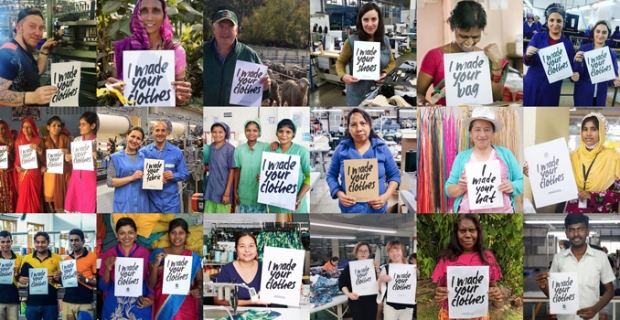
Most fast fashion trends change every season leading to mass production and the demand for quick turnarounds results in unethical labor practices. Pollution, deteriorating health and plummeting quality of life are major concerns apart from the Environmental impacts of Fast fashion. These unethical work cultures need a major shift in mindset towards Sustainable fashion options for both the consumers and producers.
Sustainable fashion Alternatives

Sustainable fashion
Newsflash! Not everything about fashion is bad! There’s a silver lining. Remember the fashion started from the concept of Sustainable fashion to begin with. Over the years the Industry changed its path. However, many Indian brands are reshaping the fashion landscape, intertwining style with sustainability. Here’s a toast to some champions:
Upasana: Ethical, sustainable, and chic brand that supports the local weaving community. With initiatives like “Tsunamika,” that aids tsunami-affected communities through handcrafted dolls, they’re fashioned with a heart and soul.
Doodlage: Ever imagined factory waste being uber-stylish? Doodlage’s upcycled limited-edition pieces are here to amaze. Their sustainable fashion may come with a slightly higher price tag, but it’s a wise investment.
Anokhi: Experience the age-old charm of block printing, all while staying eco-conscious. It is a pocket-friendly, cultural, and ethical investment.
No Nasties: Transparent, organic, and vegan. It’s fashion without the guilt trip.
FabIndia: Embrace India’s diverse tapestry, with handcrafted pieces that tell a tale.
BOHECO: Redefining fashion with hemp – stylish, sustainable, and Earth-friendly. BOHECO’s dedication to popularizing hemp as a sustainable fabric choice in India is commendable.
While fast fashion might have rocked our world, sustainable fashion choices are the rockstars we need. It’s a call to action, fashion aficionados! By supporting these eco-conscious brands, we can flaunt our style and advocate for a healthier planet. Ready to join the green fashion revolution? ???
In conclusion: the environmental impact of fast fashion is undeniably significant, encompassing the overuse of resources, energy exhaustion, waste concerns, global emissions, and socio-economic strains. The industry’s relentless pursuit of quick turnarounds and mass production has led to unethical labor practices and a disposable culture, further exacerbating the ecological footprint. However, the silver lining lies in the rise of sustainable fashion alternatives. Indian brands like Upasana, Doodlage, Anokhi, No Nasties, FabIndia, and BOHECO are reshaping the fashion landscape by prioritizing ethical practices, local craftsmanship, and eco-friendly materials. Embracing sustainable fashion is not just a style statement; it’s a crucial call to action for a healthier planet. By supporting these eco-conscious brands, fashion aficionados can contribute to the green fashion revolution and mitigate the environmental impact of fast fashion. It’s time to make conscious choices and advocate for a more sustainable and responsible fashion industry.